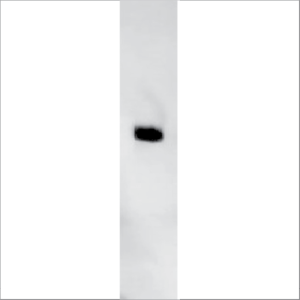
Cry j 1 ELISA 2.0 kit


Price range: $615 through $10,545
ELISA 2.0 kit for measuring Japanese Cedar pollen allergen, Cry j 1.
Antibodies: 4D12/2E11
Standard Range: 100-0.2 ng/ml
Limit of Detection: 0.2ng/ml
Background: OD<0.08ng/ml at 450nm
Coefficient of Determination: R-squared>0.98
Contents: Plate: Pre-coated with anti-Cry j 1 monoclonal antibody 4D12
Vial 1: (white top) Cry j 1 allergen standard
Concentration: 1000 ng/ml
Vial 2: (brown) Biotinylated monoclonal antibody 2E11
Vial 3: (blue top) Streptavidin-peroxidase
Bottle 1: Wash buffer, (10x concentrate)
Bottle 2: Assay buffer, (10x concentrate)
Bottle 3: TMB developing substrate
Bottle 4: Stop solution (0.5N sulfuric acid)
Storage: Store at 2-8°C.
Expiry: See product insert.
Not Provided: Type I ultrapure water or 18.2MΩ de-ionized water
Volumetric measuring equipment (e.g. serological pipette, graduated cylinder)
Clean containers for buffer and reagent preparation
Calibrated single and multi-channel micropipettes and tips
Vortex mixer
Plate reader capable of reading absorbance at 450nm
Analysis software (recommended, but not required)
Notes: The allergen standard is recommended for immunoassay calibration
purposes only.
A list of frequently asked questions and troubleshooting guide can be found under the ‘Support’ tab on our website.
Product Resources:
EPC-CJ1 Certificate of Analysis and Protocol
For research and commercial use in vitro: not for human in vivo or therapeutic use.
References:
- Fujimura T, Kawamoto S. Spectrum of allergens for Japanese cedar pollinosis and impact of component-resolved diagnosis on allergen-specific immunotherapy. Allergol Int 2015; 64:312
- Hashimoto M, et al. Sensitivity to two major allergens (Cry j I and Cry j II) in patients with Japanese cedar (Cryptomeria japonica) pollinosis. Clin Exp Allergy 1995; 9:848
- Yasueda H, et al. A basic policy for allergen standardization in our country and standardization of Japanese cedar (Cryptomeria japonica) pollen extracts. Allergol Int 1997; 46:135